This thematic group will eventually cover all types of waste and associated environmental impacts. Initially, however, we will focus on pollution from poorly managed plastic waste.
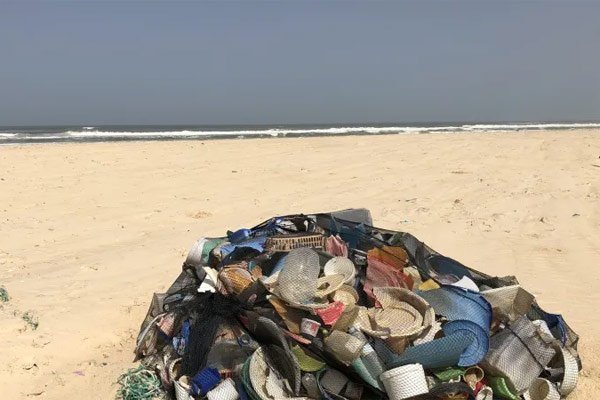
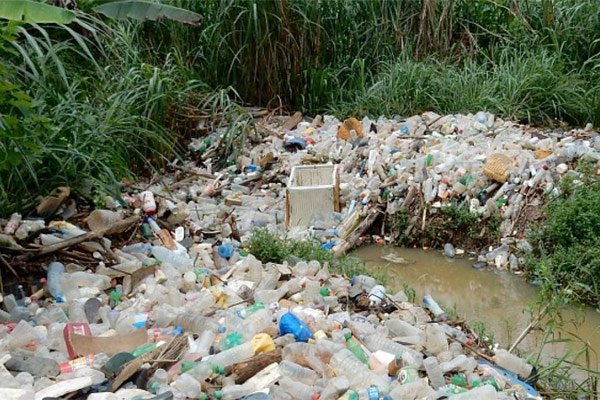
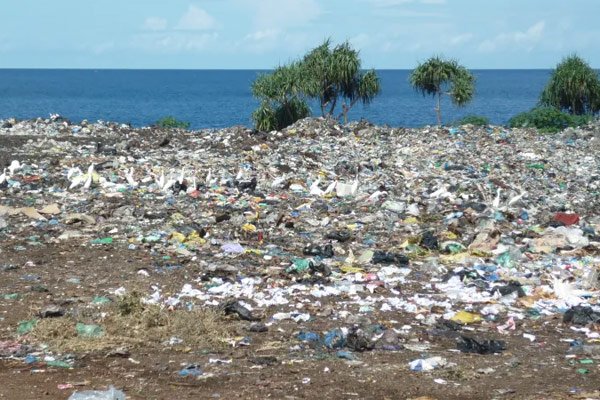
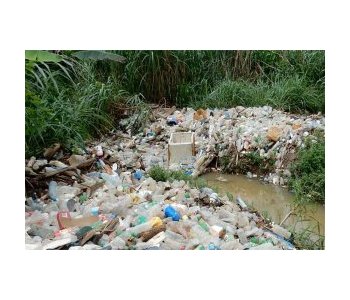
Inexpensive, robust, light and versatile, plastics are omnipresent in all human activities (packaging, transport, electronics, construction, agriculture, clothing, aeronautics, health, etc.) due to the wide scope of services they provide. Their use has grown exponentially since the 1950s, and is set to increase by a factor of 2.6 between now and 2060, according to the OECD. The challenges of plastics’ life-cycle and end-of-life have until now been underestimated or even ignored, both in product design and in setting up collection, sorting, recycling and recovery infrastructures. In parallel, the low production costs of petro-sourced polymers make sobriety and circularity unattractive to manufacturers. The consequences of this mismanagement are all too well known: the dissemination of plastics in all natural environments, even in the highest and deepest parts of the natural world, with destructive effects on wildlife, particularly in the oceans.
The dissemination of plastics
This dissemination raises the question of the impact on human health and ecosystems caused by certain components and additives, as well as by micro- and nanoparticles of plastics. While toxicological studies have already made it possible to rule out or strictly limit certain dangerous additives (e.g. POPs, bisphenol A, etc.). However extensive scientific knowledge is still needed. The study of dissemination phenomena, interaction mechanisms with living organisms, and the health impacts of plastics including their ingredients, is one of the most active fields of scientific research at the moment. Research is also exploring alternatives to these materials embeded in our daily lives. This knowledge is essential to inform and guide public action.
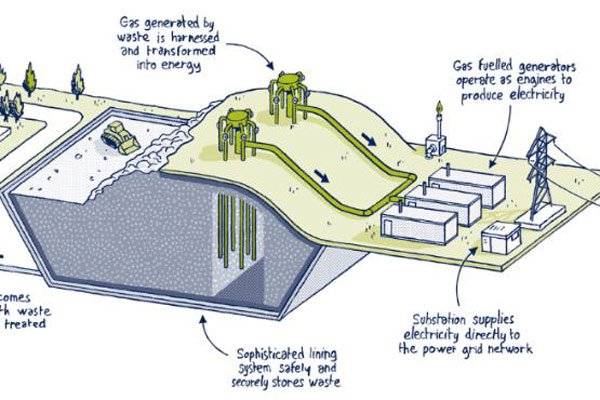
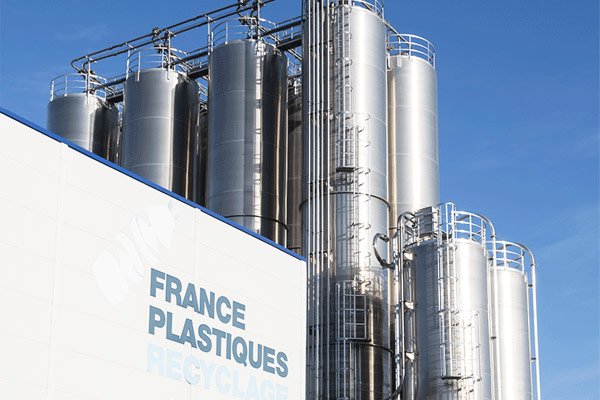
Waste professionals advocate the reduction of the volumes of plastic waste, the collection of 100% of plastic waste worldwide, and the recycling of this waste through material recovery and, ultimately, energy production, since only some plastics are recyclable, and recycling itself produces waste to be disposed of.
UN member states’ commitments in regards to waste collection and treatment are therefore necessary, in addition to setting targets for reducing plastic production by industrial players.
The objectives of the FSWP
The French Solid Waste Partnership calls for the legally binding international instrument on plastic pollution currently under negotiation, in addition to setting targets for the reduction of plastic waste volumes…
- coordinates the production of robust scientific knowledge on the mechanisms and impacts of plastic pollution on health and the environment (IPCC on plastics)
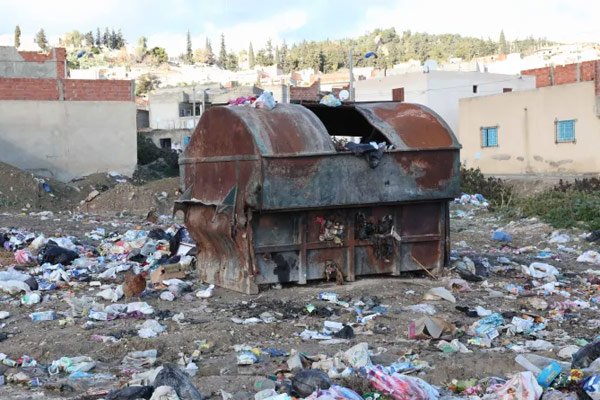
- includes commitments to improve solid waste collection and management in all countries;
- includes binding commitments on minimum percentages of recycled plastics in new products;
- adopts an ambitious approach to the eco-design of plastic products and packaging, limiting the number of polymers and plastic additives by type of usage ;
- recognizes the value of energy recovery from non-recyclable plastics, when carried out under safe environmental conditions.