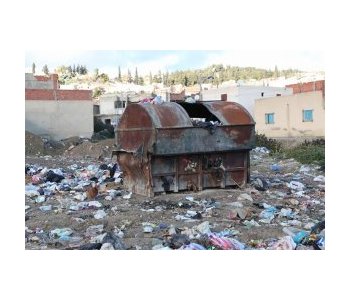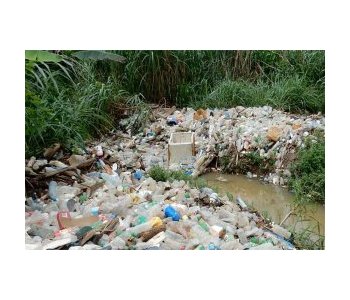
Poor waste management leads to the pollution of soil and aquatic environments, the degradation of natural habitats, the poisoning of wildlife through ingestion or exposure to toxic substances, and the disruption of food chains. Microplastics, for example, are now present in all ecosystems, from agricultural soils to the deep sea, with consequences that are still poorly understood but potentially significant for species and biological balances.
Implementing Environmentally Sound Waste Management
In light of these findings, the Environmentally Sound Management (ESM) of waste, as defined by Article 2(8) of the Basel Convention, which aims to protect the environment and health, constitutes an essential solution for safeguarding biodiversity. It helps to limit the sector’s negative impacts on living organisms and ecosystems through:
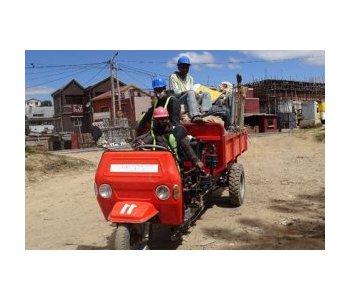
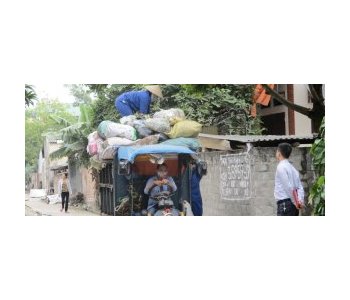
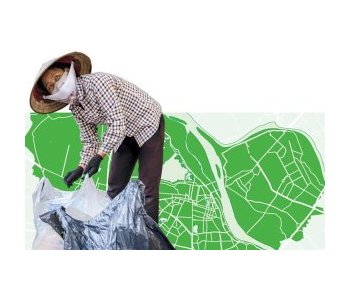
- Improved waste collection, to prevent waste from leaking into the environment, particularly plastics and microplastics, in both terrestrial and aquatic environments;
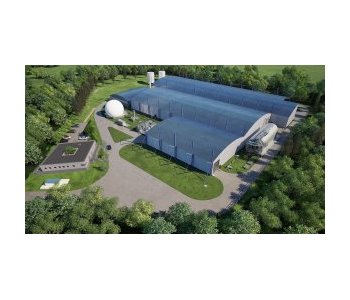
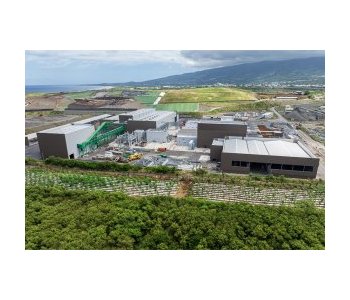
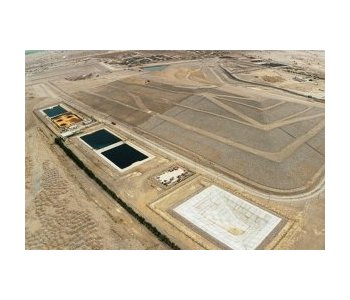
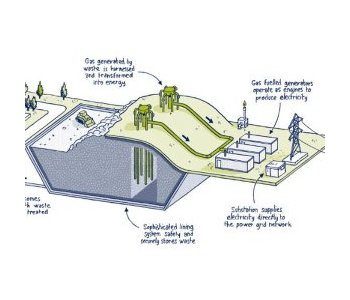
- The availability and improvement of final disposal facilities everywhere and for everyone, in order to reduce soil, air and water pollution, for example by closing uncontrolled, uncovered landfills without leachate treatment in favour of engineered landfills compliant with the Basel Convention’s waste management guidelines;
- Prevention, the first step in the waste management hierarchy, which reduces waste generation and the use of natural resources, thereby helping to reduce human pressure on ecosystems, fauna and flora.
- The implementation of the circular economy hierarchy of actions, as cross-sectoral measures that will restore balance with natural resources through changes in production, consumption and usage patterns.
The objectives of the FSWP
In this context, the FSWP promotes sustainable waste management that is fully integrated with biodiversity issues, and encourages collective and cross-sectoral mobilisation to protect life on land and below water, in full alignment with the Sustainable Development Goals (SDGs) – especially SDGs 14 and 15. Its main objectives are:
- To strengthen the integration of waste management into local and national biodiversity protection policies and strategies, particularly for the implementation of the 2022 Kunming-Montreal Agreement.
- To promote concrete and operational solutions for the Environmentally Sound Management of waste – starting with the collection of all waste and the end of open dumping and open burning – thereby limiting the impacts of waste on ecosystems and living organisms.
- Support the gradual development and improvement of effective waste management systems tailored to each context, in order to reduce diffuse pollution.
- Encourage the circular economy by promoting waste prevention, recycling and recovery to limit pressure on natural resources.
- Promote cooperation between public and private actors to share best practices, pool efforts, and accelerate the transitions.