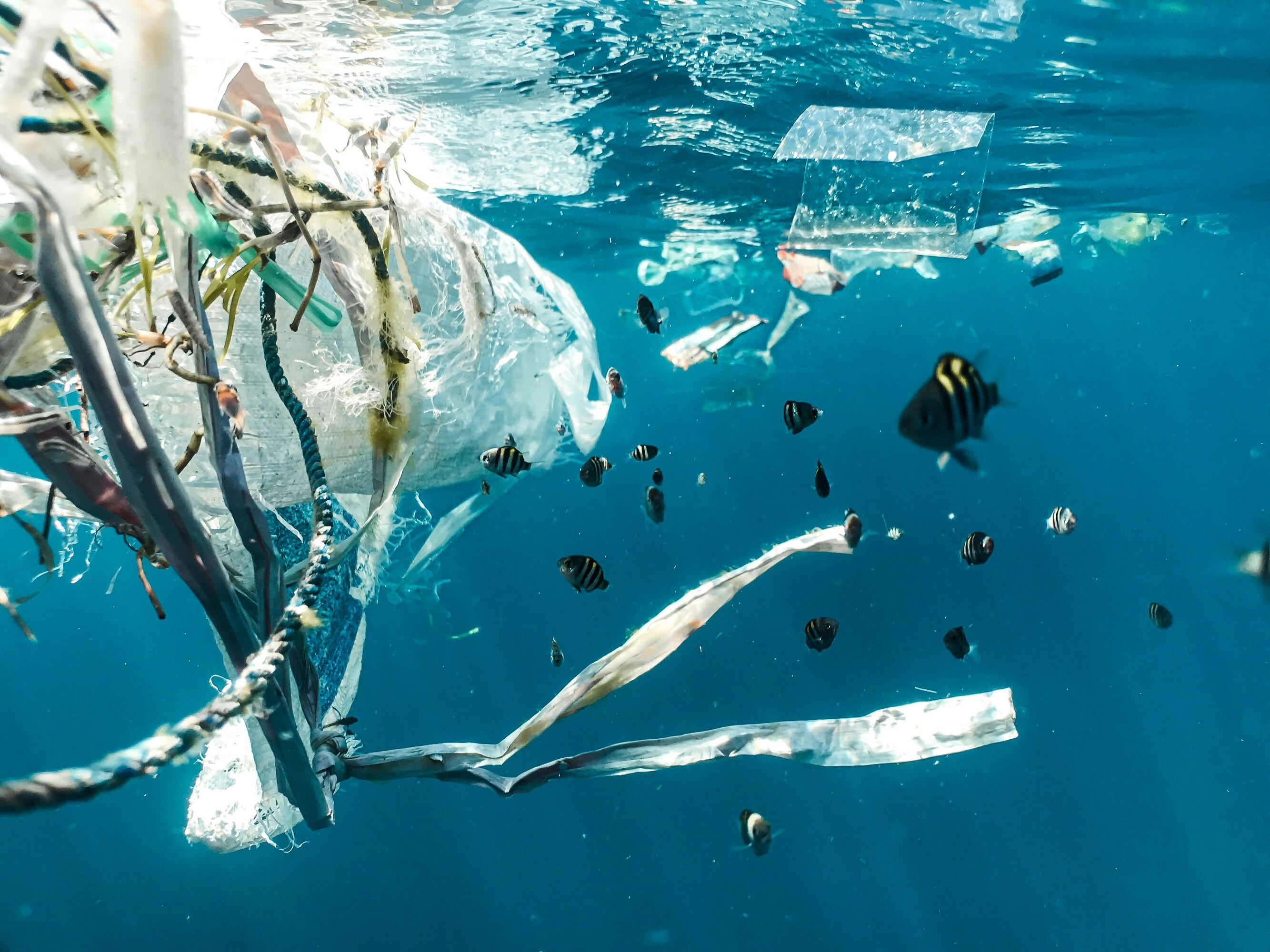
Environmentally Sound Management (ESM) of waste, as defined by the Basel Convention, is one of the most effective and sustainable solutions to reduce pollution in aquatic environments (rivers, seas, oceans), protecting water resources, and preventing flooding.
Implementing ESM as defined by the Basel Convention.
Implementing such management systems is complex and requires the control of waste collection, treatment, and disposal in order to protect both human health and the environment.
Establishing waste management systems compliant with the Basel Convention helps prevent waste from leaking into the environment and thus:
- Protect aquatic environments and access to drinking water
- Protect biodiversity and marine ecosystems
- Control leachate and the risks of groundwater contamination
- Prevent blockages in urban drainage systems and reduce the risk of flooding
Waste management has infrastructure and environment costs, but the cost of inaction far exceeds the cost of implementing ESM measures. Its financing must therefore rely on a range of financial instruments that involve both public and private actors.
Reducing waste volume at source by transitioning to a circular economy.
Our linear use of resources depletes Nature and causes us to produce far too much waste. We must reduce our consumption of virgin materials through a change in production, consumption, and usage models, based on reducing, reusing, repairing, and ultimately recycling, through solutions adapted to each type of product.
The mechanical consequence of this transition to a circular economy is a reduction in future waste volumes, which helps reducing investment costs as well as environmental and social impacts.
Discover the FSWP’s position for the upcoming United Nations Water Conference.
